

How Can I Make My Phobe Camera Take Pictureswithout The Screen On
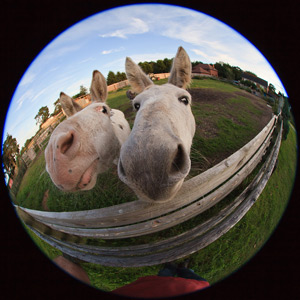
Earlier the days of smartphones — if you can remember such a time — taking a groovy photo was a labor-intensive process. You'd Just, thank you to our mobile devices and the editing apps that come with them, we can at present accept Brands are communicable on, too — these kinds of visuals remain important to marketing. Simply brand no mistake: Taking a bang-up photo on your smartphone is not equally simple equally pointing and shooting. At that place are plenty of bad smartphone photos out at that place — I'm sure you've seen at to the lowest degree a few. What'southward the secret to taking great pictures with your smartphone, then? As it turns out, at that place are a few of them. Cheque out these tips below to better your smartphone photography game. (And one time y'all take the photo-taking part downward, check out some of the best photograph editing apps for mobile.) I of the easiest and all-time ways to improve your mobile photos is to turn on the camera's gridlines. That superimposes a series of lines on the screen of your smartphone's photographic camera that are based on the "rule of thirds" — a photographic composition principle that says an image should be broken down into thirds, both horizontally and vertically, so y'all have ix parts in total. According to this theory, if you place points of interest in these intersections or along the lines, your photo volition be more balanced, level, and allow viewers to interact with it more than naturally. Source: Digital Photography School To switch the grid on ... Source: Lynda.com Today's telephone cameras automatically focus on the foreground of your frame, but not every picture you take on your phone has an obvious subject. To arrange where you want your camera lens to focus, open your camera app and tap the screen where you desire to acuminate the view. If you're taking a photograph of something in movement, for example, it tin exist difficult for your camera to follow this subject field and refocus every bit needed. Tap the screen to correct your phone camera's focus just before snapping the moving picture to ensure the moving subject has as much focus as possible. A square or circular icon should then appear on your photographic camera screen, shifting the focus of your shot to all of the content within that icon. Many of the best photos include just ane, interesting subject. So when taking a picture of ane, spend some extra fourth dimension setting up the shot. Some professional photographers say that the subject area shouldn't fill up the entire frame, and that two-thirds of the photo should be negative space — that helps the bailiwick stand out even more. But be certain you tap the screen of your smartphone to focus the camera on your subject — that'll assist to ensure that information technology's focused and the lighting is optimized. Pro Tip: Once you've taken your photo, you tin can use filters and apps to make the subject even more brilliant, or to ingather it to frame the subject correctly. The brightness, contrast, and saturation of the photo can too be adjusted accordingly — all from your phone. Source: Patrick Janelle "Negative space" simply refers to the areas effectually and between the subjects of an prototype — and it can take a photo from "good" to "corking." When you include a lot of empty space in a photograph, your subject will stand up out more and evoke a stronger reaction from your viewer. And what does negative space looks like? It's often a large area of open up sky, an empty field, a big wall, or water, as in the example below. Source: Eric Christian Taking photos from a unique, unexpected angle can brand them more than memorable — it tends to create an illusion of depth or meridian with the subjects. Information technology likewise makes the image stand Try taking a photo directly upwards and playing with the sky every bit negative infinite, like in the first photo below. Or, y'all tin try taking it at a slight downward angle. Pro Tip: If yous take a photo and observe the perspective is a footling beveled or tilted, use the SKRWT photograph editing app to make the lines look clean and square. Source: iPhone Photography Schoolhouse; Paul Octavious There's something and so idyllic about seeing the sky reflected in a trunk of h2o. In that location's a reason why we love seeing that — our eyes are drawn to reflections. So look for opportunities to play with them in photos. There are plenty of out-of-the-box places to find reflections — puddles, larger bodies of water, mirrors, sunglasses, drinking glasses, and metallic surfaces are just a few. Source: Joshua Lott In some photos, there's a line that draws the viewer'southward eye toward a certain function of the frame. Those are called leading lines. They tin can be directly or Leading lines are great for creating a sense of depth in an image, and can make your photo await purposefully designed — even if you just happened to come upon a really cool shape by blow. Source: Carlos Symmetry can be divers every bit "a vague sense of harmonious and beautiful proportion and balance." And pictures that contain symmetry can be incredibly pleasing to the centre — information technology's also one of the simplest and near compelling ways to etch a photo. In photography, symmetry usually means creating an image that can be divided into two equal parts that are mirror images of each other. That'south a fleck different than reflections — symmetry can be found "in the wild," as per the staircase picture, or yous can gear up your photo And remember — use those gridlines from tip #1 to line everything upwardly perfectly. Source: Eric Christian Repetitive patterns are very pleasing to the eye — they appear whenever potent graphic elements are repeated over and over again, like lines, geometric shapes, forms, and colors. These patterns can make a strong visual touch on, and photographing something like a beautiful, tiled flooring can be enough to create a striking image. Other times, it'southward more fun to proceed an eye out for where they announced naturally or unintentionally, similar with the congruent fire escapes on the left. Source: Patrick Janelle Isn't it absurd when an entire photo is black and white, except for a single object? It turns out that yes, indeed, at that place are apps for that. One of our favorites is Touch Color — an app that automatically converts a picture to grayscale and lets you fill up in the parts you want to colorize. Color blocking tin help to highlight the elements of a photo that y'all want to stand up out, like a constitute or something else with a bold hue. It achieves a similar goal as negative space, in that information technology tin help a single subject stand out — only with colour blocking, the photo'southward other elements remain intact for a cohesive prototype. Source: Coloring Pages When you take a photograph from a distance, it's tempting to zoom in on something specific yous're trying to capture. But it's actually meliorate non to zoom in — doing so can make the photo appear grainy, blurry, or pixelated. Instead, endeavor to become closer to your subject — unless it'due south a wild animate being, in which case we would advise keeping your altitude — or take the photo from a default distance, and ingather it after on. That manner, you won't compromise quality, and information technology's easier to play around or optimize a larger image. Source: Obama Pacman You may accept heard the phrase, "It'south the trivial things." Sometimes, that also applies to photos. Shut-up images that capture small, intricate, and delicate details tin make for really compelling visual content. Keep an eye out for textures and patterns similar peeling paint, a gravel road, or a tile tabletop. Pro Tip: Use the "sharpen" tool in your favorite photo editing app to (conservatively) sharpen the details of your photograph. You might also download the Camera+ app and utilise its Clarity filter, which is what The Wall Street Journal's Kevin Sintumuang calls the app's "secret sauce — information technology adds pro-camera crispness to well-nigh any shot." Source: Eric Christian It's difficult to observe a keen smartphone photo that was taken with a flash. Almost of the time, they brand a photo expect overexposed, negatively altering colors and making man subjects look done out. In fact, fifty-fifty the iPhone 7's flash is rumored to have some flaws. Have reward of the sources of natural light y'all can notice, even afterward dark. This gives you a chance to play with shadows, like in the second image beneath, or create a silhouette with other ambient sources of light, similar traffic and surrounding buildings. Once you've taken the photo, play with the "Exposure" tool in your favorite photograph editing app to see if you can make the epitome slightly brighter, without making it too grainy. Source: Paul Octavious Sometimes, using your camera'southward flash tin can meliorate a photo — simply rarely does it practice so at nighttime. Because night shots reveal a much sharper contrast confronting your telephone'southward flash, it can brand any flash look wait invasive and uneven In already well-lit spaces, withal, a flash can aid to soften some night shadows behind or beneath your main subject. When framing your side by side shot, look on the ground or against vertical surfaces for any dark shadows yous might want to remove. If you come across whatever, flip on the wink manually in your camera app. Setting your phone'southward camera flash to "auto" won't guarantee that your telephone will observe the shadows you lot want to get rid of. Just remember to turn the flash off again when you're washed. Consider the importance of flash for enhancing or hiding certain lines and features the next fourth dimension y'all're shooting product photography. Although mobile devices make information technology piece of cake to snap any photo on the go, there's never been an easy fashion to ensure the shot stays level and counterbalanced when you shoot — especially if you desire to be in the picture and non but take a typical selfie with your extended arm. Mobile tripods give you the freedom to mountain your smartphone for quick hands-free shots without lugging whatever heavy equipment with you. Virtually mobile tripods are barely bigger than your mobile device, and can bend to any angle. Check out ane of them from Joby, above, and learn how these miniature tripods can help enhance your mobile video experience below. Another mobile camera characteristic you lot'll desire to ready manually is your exposure. Tapping your screen when your phone'south camera is on doesn't just refocus the lens on a new subject field — it also automatically adjusts how much light the camera lets in. This, also, won't always look just right. It's all-time to adjust it by hand. To modify your mobile camera'southward exposure by hand, open your camera app and tap the screen. When you see the lens refocus, you'll see a very small sunday icon and a vertical scale. Slowly swipe your finger up and down this scale to adjust the light level. Abstruse photos are meant to capture the essence of an object, or a serial of them, without revealing the entire landscape every bit a whole. In other words, they serve the purpose of creating unique, surprising images from ordinary subjects. This look tin be accomplished by cropping an abstract portion of an otherwise normal photograph, or by taking close-up shots of objects that leave the viewer wondering — in admiration, of form — what the subject might exist. And subjects with patterns or repetition are slap-up candidates for abstract photography, similar in the photograph of sliced figs below. Source: iPhone Photography School Posed photos can be great for the sake of memories — happy moments with friends, family, or the occasional run-in with a celebrity. Just sometimes, aboveboard shots of people doing things, or people with people, tin be far more interesting. That's because candid photos are improve able to effectively capture the emotion and essence of a moment. I of the best means to capture this kind of shot is to just have as many photos as possible. Yous'll have more to cull from, and the best photos often happen when the "stars marshal," so to speak, in a single moment — anybody's eyes are open, one person is tilting their head just and so, and you finally got a shot of your chronically closed-lip friend smiling with his teeth. Source: Patrick Janelle Effort thinking outside of the box when it comes to what y'all're capturing — your viewers could be pleasantly surprised by a absurd or unexpected subject. Source: Paul Octavious Speaking of evoking emotion, sometimes the near memorable photos are the ones that make us giggle. The epitome below of an older adult female wearing a brightly-colored shirt stating "Howdy hater" is funny because it's unexpected — and there's a function of u.s.a. that admires her, also. The 2nd image of the dog toy on a dinner plate pokes fun at classic Instagram nutrient shots, simply it's from a dog'south perspective. If you tin make your audience laugh, they're likely to enjoy your photo. Source: Jeremy Veach A smartphone photographic camera might be more convenient to bear effectually than a full-fledged photojournalist's camera, just it comes at the cost of protection. Your phone is usually in your pocket or your bag when you lot're out of the house. All the while, the device's camera lens is collecting all kinds of dust and lint. Be sure to clean this lens with a soft handkerchief before taking a photograph. You might non be able to tell just how dirty the lens was until you kickoff editing your picture show, and making certain the lens is crystal clear before taking a shot tin can keep you from starting from scratch. Want to get really fancy? External lenses are for yous. There are really several out there that can be attached to the peak of your smartphone's native camera lens — from fish-eye to wide-angle lenses, these add-ons can bring an entirely new quality and perspective to your photos. According to Wirecutter, the best camera lenses for iPhone photography are made past Moment, a manufacturer of mobile lenses. Get-go there, or practise some enquiry to discover the lens add-ons that fit your smartphone photography needs. Source: MobileFun.co.united kingdom of great britain and northern ireland Composing and taking your smartphone photo is just the start step to making it visually compelling. Editing your photos is the next step — and a very disquisitional 1, at that. Filters can exist a valuable photographic tool, particularly when it comes to two goals: i) Removing blemishes from a picture, and 2) making food expect even more delicious. For the get-go, InStyle mag compiled a fun list of "The All-time Instagram Filters for Every Beauty Complaint" — and now, the iPhone photos app offers many similar filters. At that place are also apps like Pho.to, which can automatically retouch facial photos without a lot of work. And when it comes to those photos of your daily meals? One of the latest apps bachelor is Foodie, which comes with its own set of filters optimized for different types of food. Simply in that location are many other cracking photograph and video editing apps out there for mobile devices — check out this mail to come across some of the best ones out in that location. Source: LINE Corp. Desire more tips on creating visual content? Cheque out these examples of explainer videos. Editor'southward notation: This mail was originally published in November 2018 and has been updated for comprehensiveness. 
How to Take Skillful Photos With Your Phone: 25 Tips & Tricks
one. Use gridlines to balance your shot.
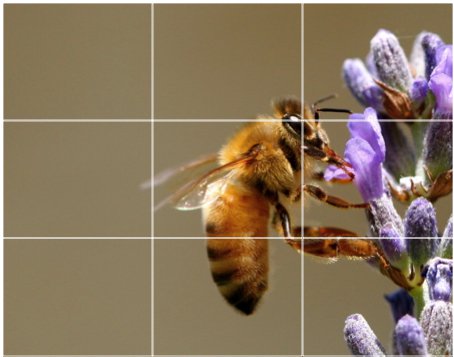
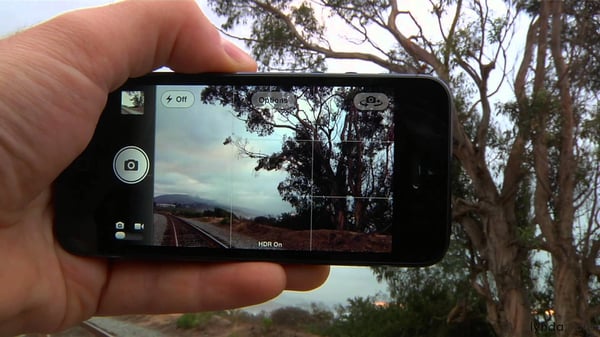
2. Set your camera's focus.
3. Focus on i subject.
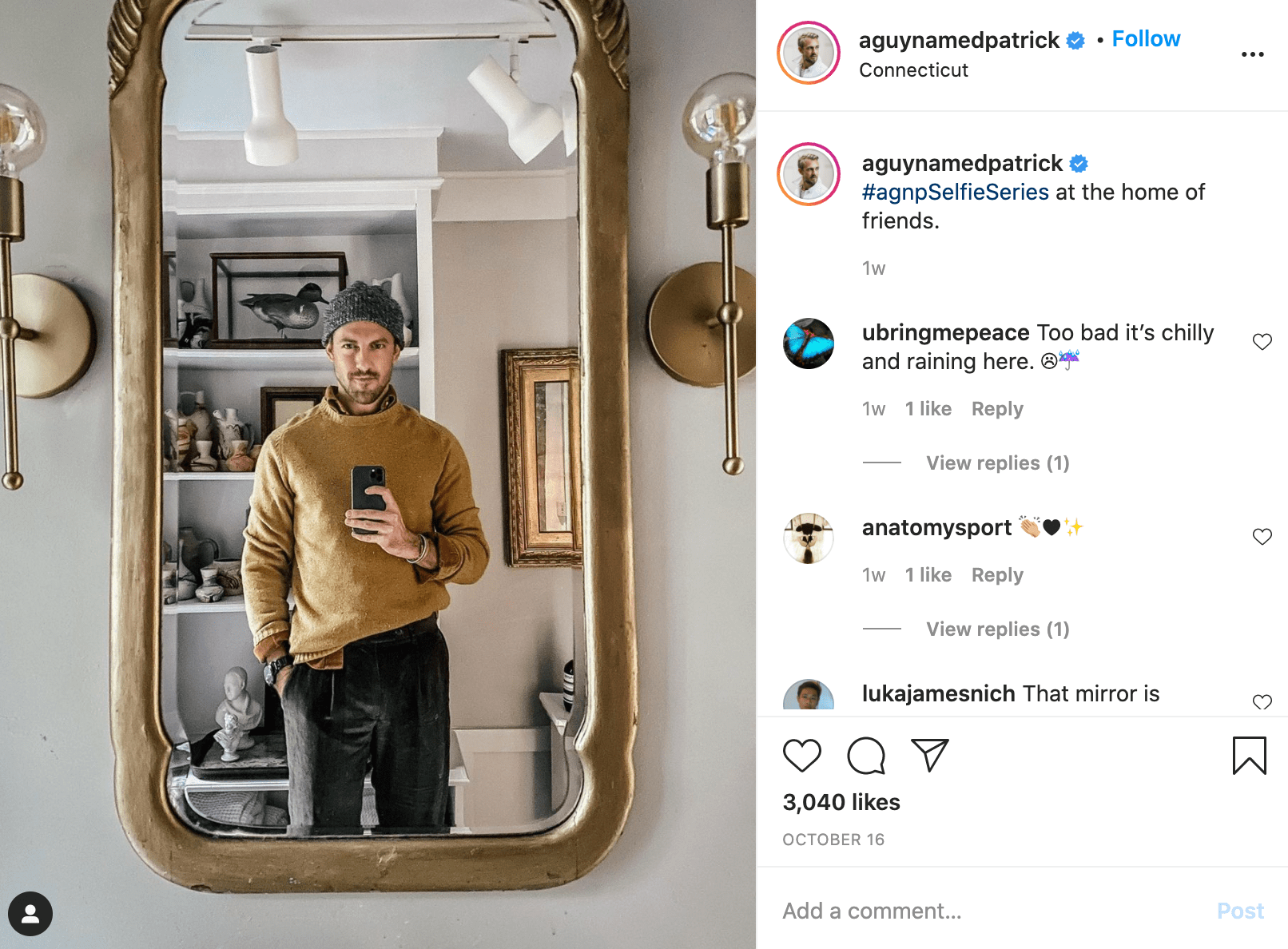
iv. Encompass negative infinite.

5. Find different perspectives.

half-dozen. Play with reflections.
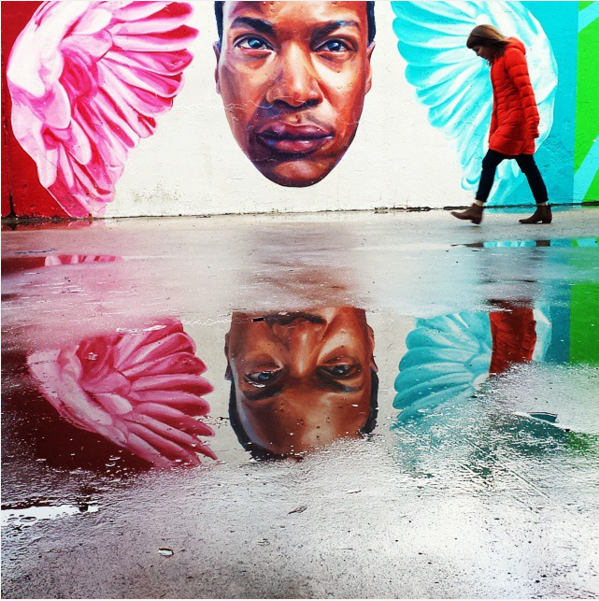
7. Utilize leading lines.

8. Wait for symmetry.

9. Keep an middle out for repetitive patterns.

10. Play around with color blocking.

11. Avoid zooming in.
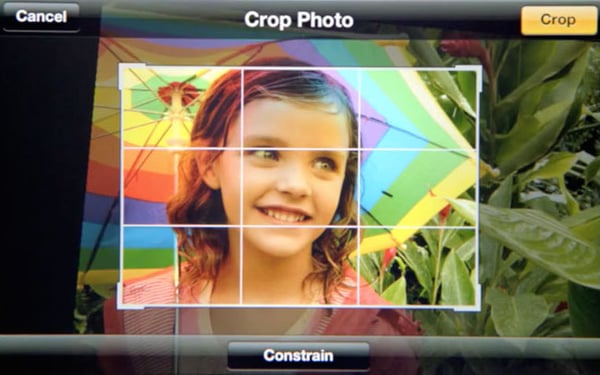
12. Capture pocket-sized details.

13. Utilise natural light.

14. If you utilise wink, only practise and then during the day.
15. Consider buying a mobile tripod.
16. Set up your photographic camera app'southward exposure manually.
17. Create abstracts.

18. Take candids.

xix. Be non-conventional.
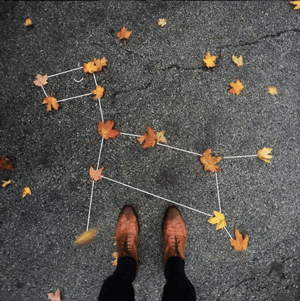
20. Brand 'em laugh.

21. Clean your phone'southward lens.
22. Adhere an external lens.
23. Don't be afraid to edit.



Originally published Oct nineteen, 2020 vii:00:00 AM, updated October 26 2020
Source: https://blog.hubspot.com/marketing/good-pictures-phone-tips
Posted by: cifuentestheigh1992.blogspot.com
0 Response to "How Can I Make My Phobe Camera Take Pictureswithout The Screen On"
Post a Comment